
THE WET MILLING PROCESS — Finca El Socorro.
The wet milling process is crucial to the selection of our top performing beans.
WET MILLING PROCESS
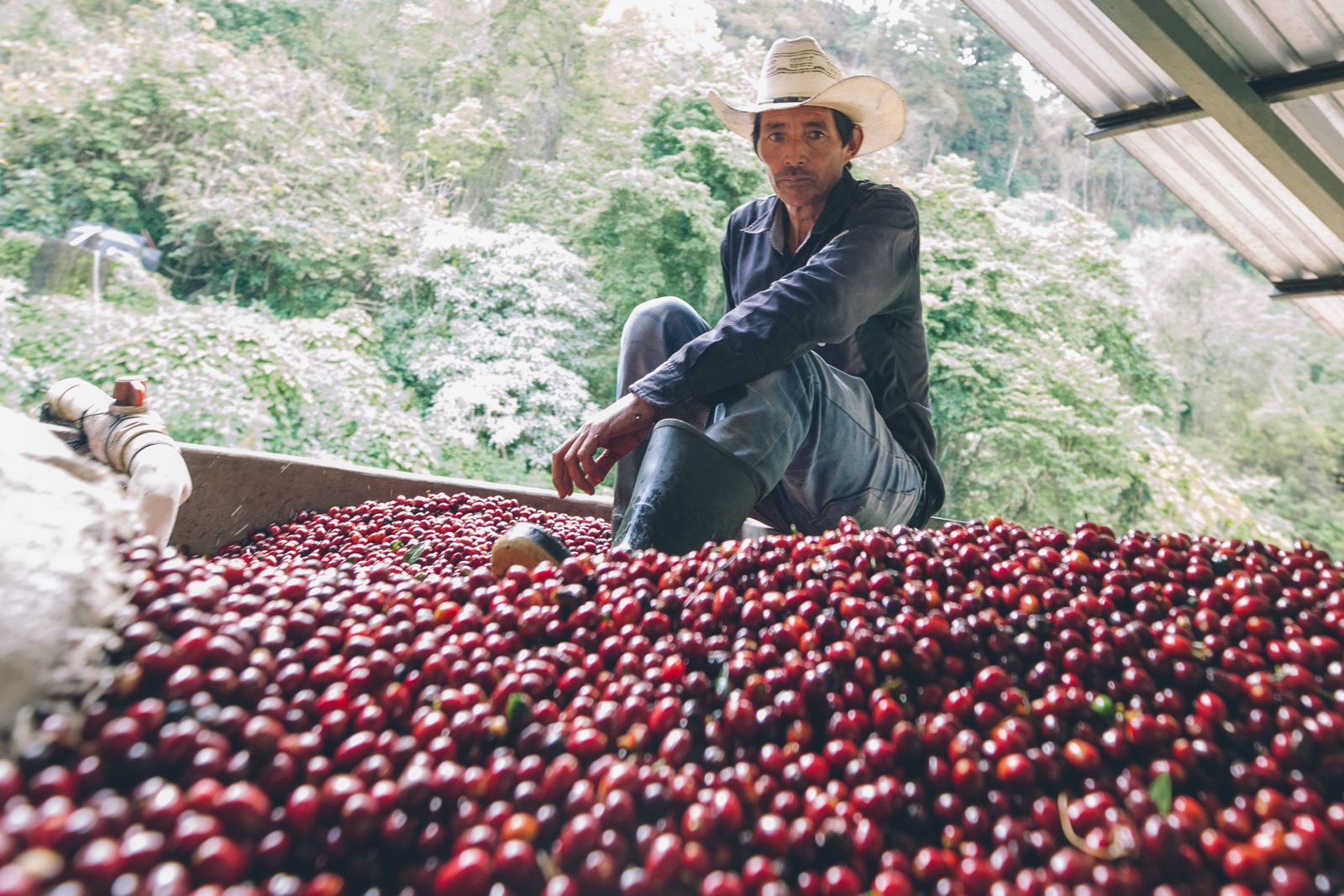
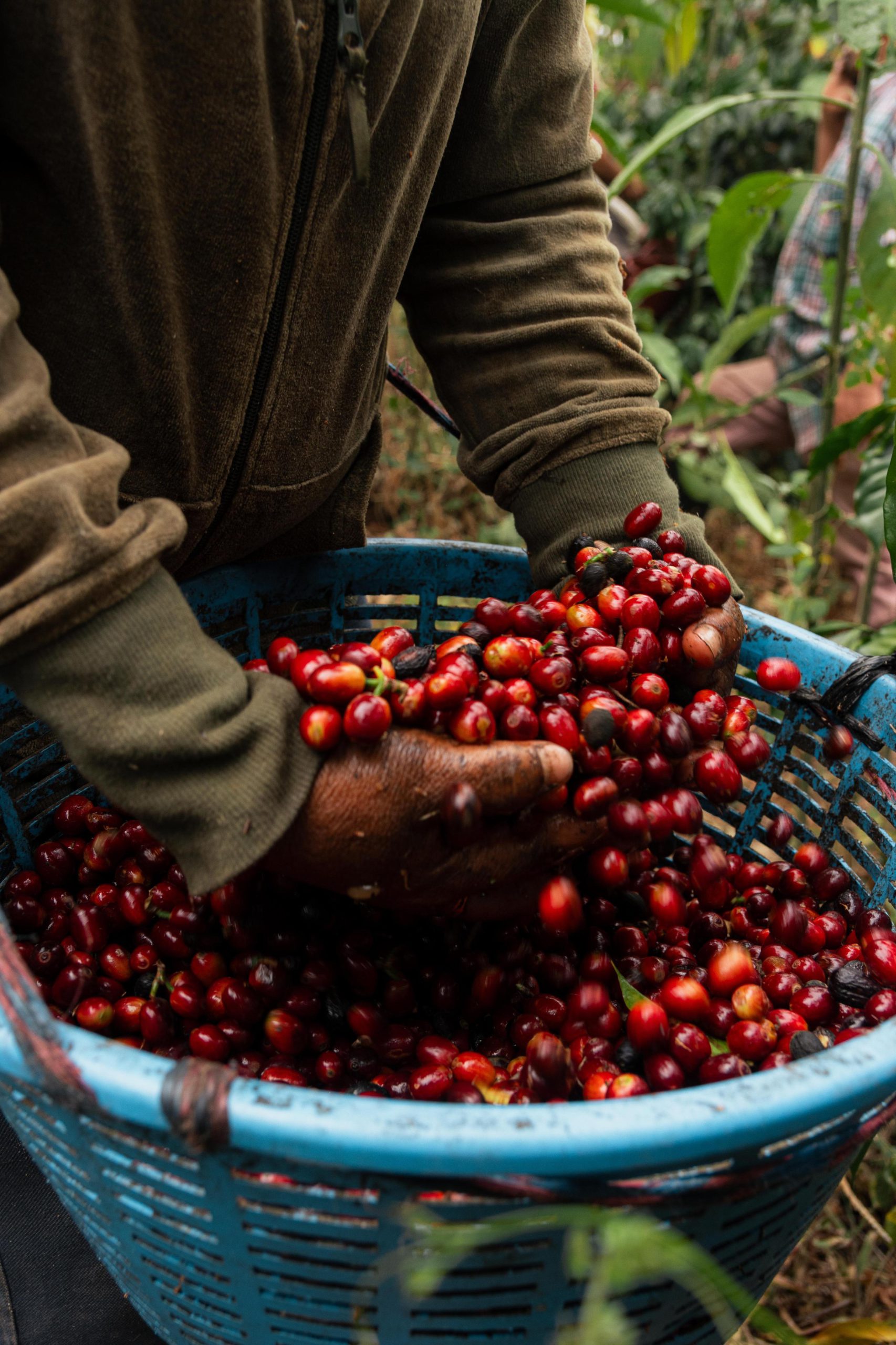
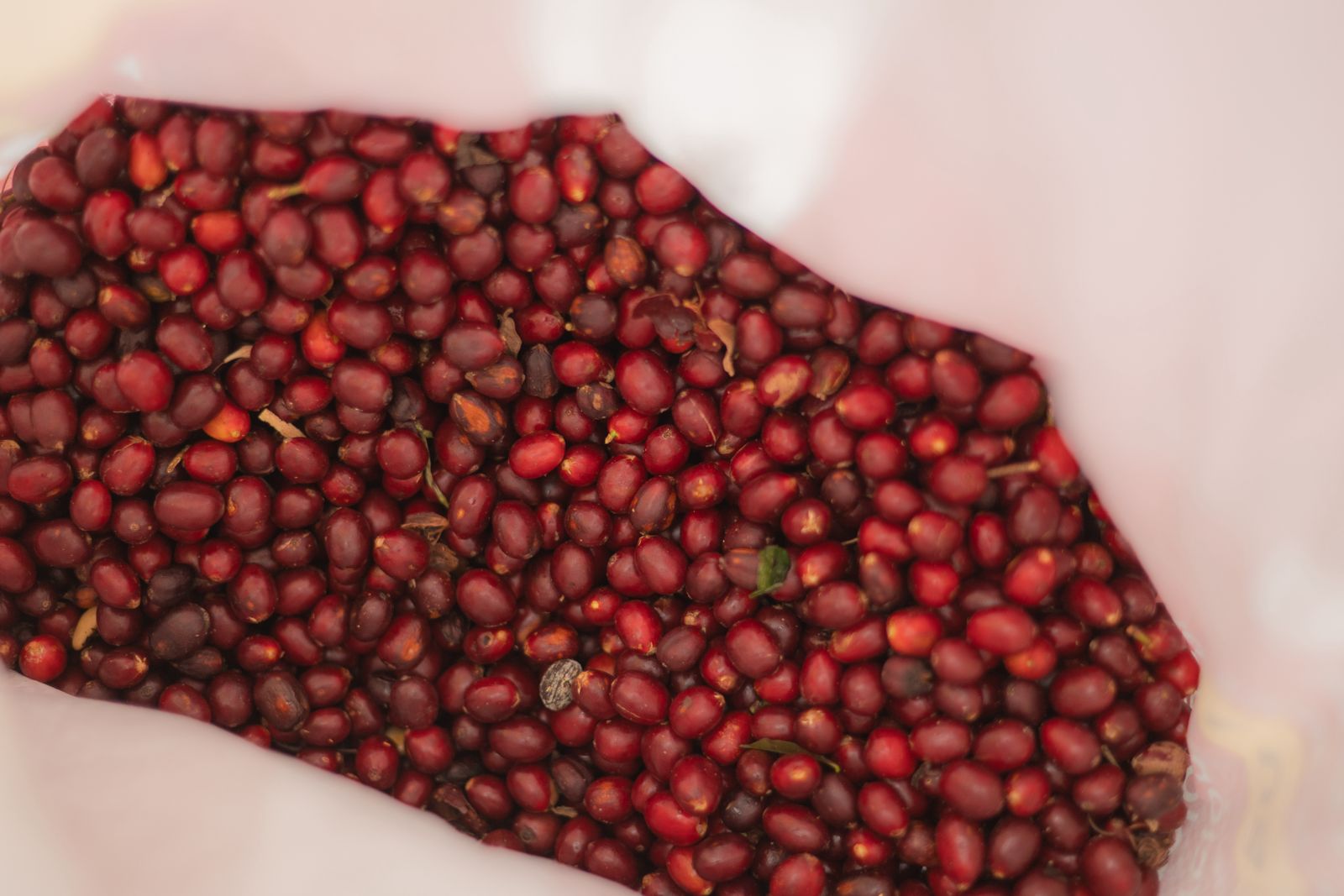
Each bean is carefully selected and transported to the mill.
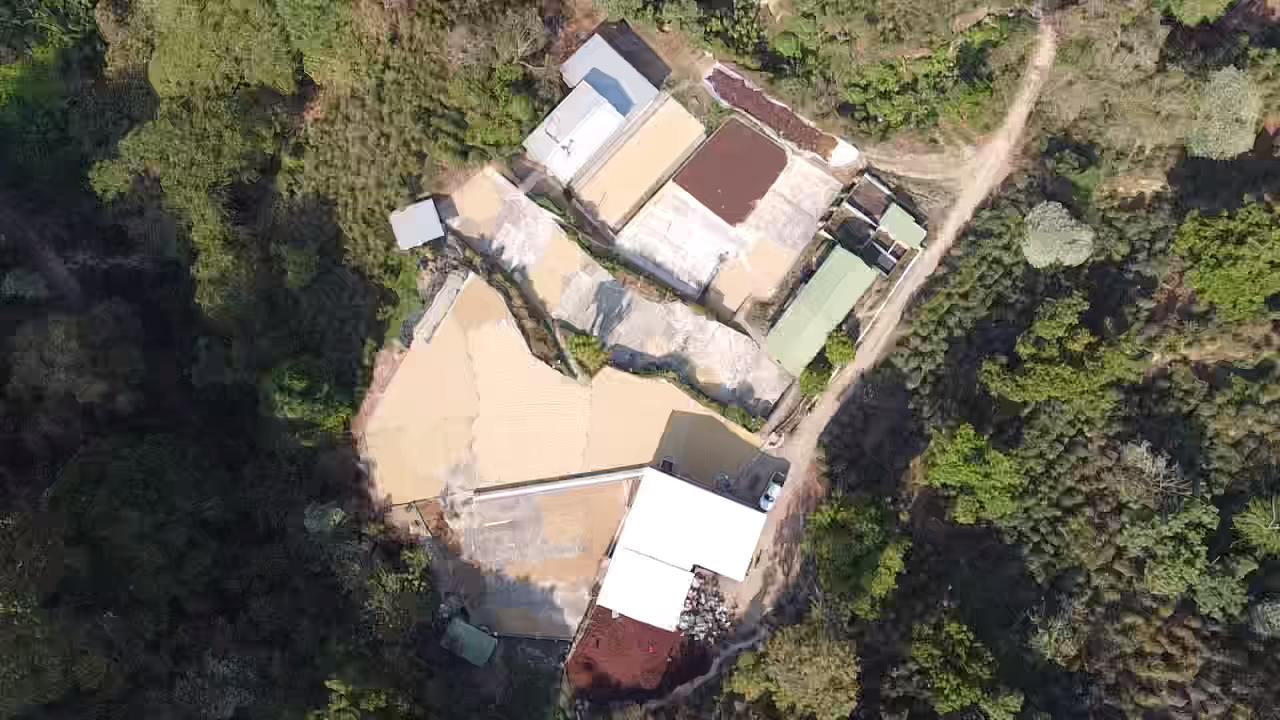
Harvest · weighing · control tank · siphon · pulping · screen · fermentation · washing · drying patios · cupping lab.
The wet milling process begins with the harvesting of coffee in the field, where each bean is carefully selected and transported to the mill to ensure proper handling from its origin. Upon arrival, each picker delivers the coffee harvested during the day, which is weighed for internal control and to ensure an orderly receiving process.
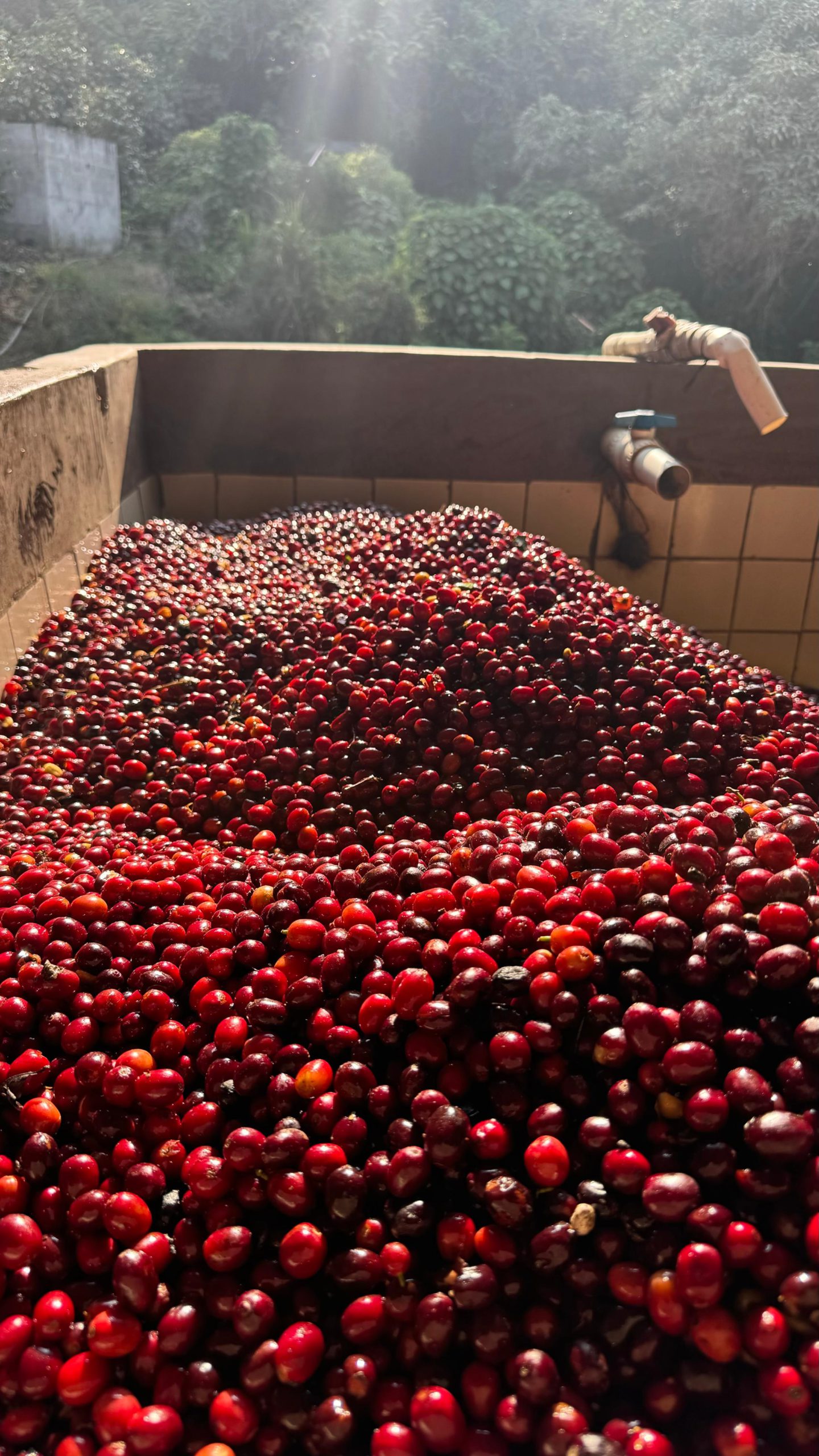
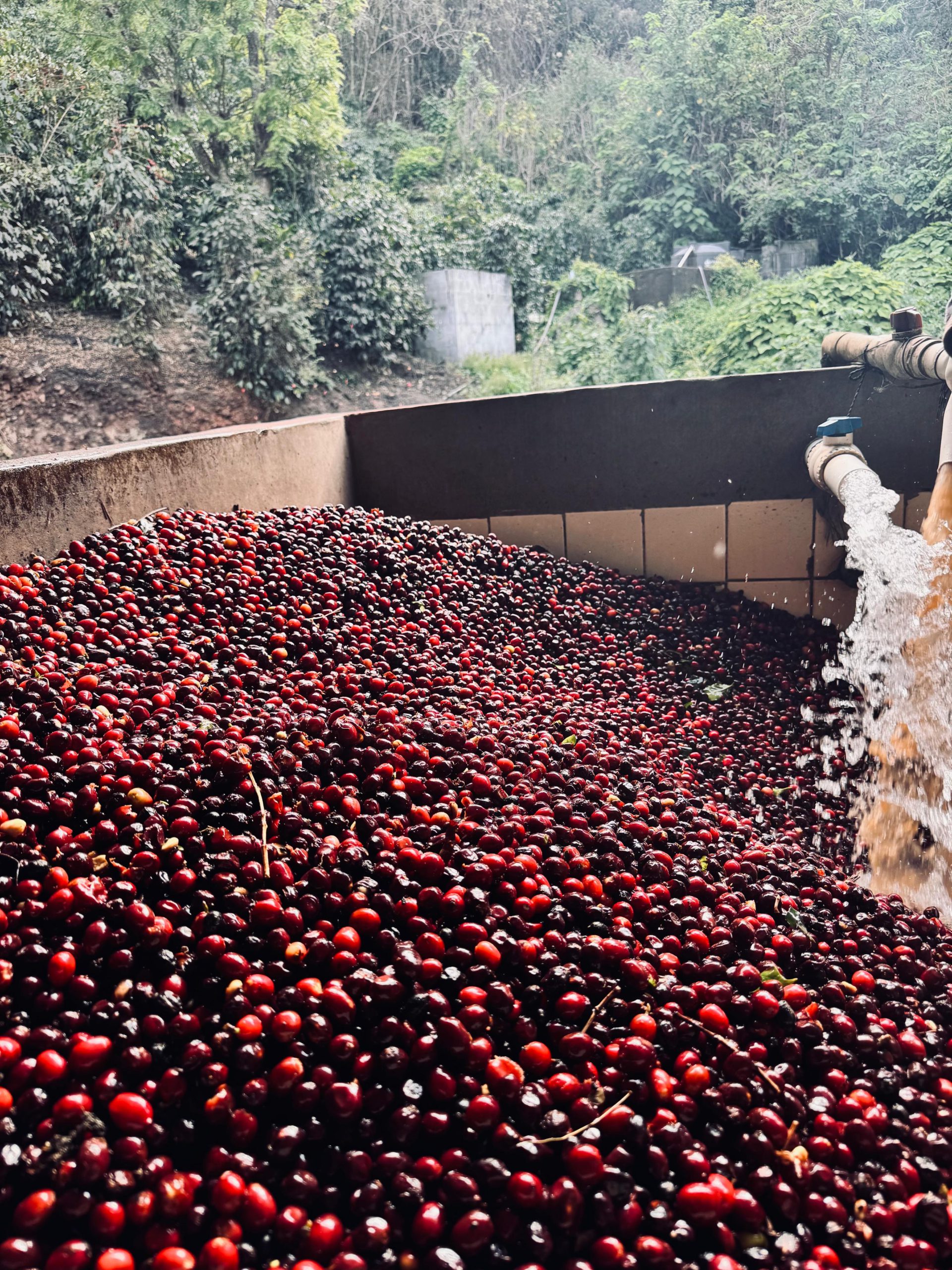
After weighing, the coffee is stored in a control tank, where the quality of the received harvest is monitored. From there, it moves to the siphon, a tank filled with water that allows the first density-based classification: dry or empty beans float, while higher-quality beans sink and continue through the process.
Next, the coffee is transferred to the pulping machines, where the skin is removed and the fruit changes from coffee cherry to parchment coffee. The beans are then carried to the screen, where a second density-based classification is performed to ensure better selection before fermentation.
Once classified, the coffee is placed in fermentation tanks for a period of 24 to 48 hours, depending on the variety. During this stage, the mucilage separates naturally, preparing the bean for washing. After fermentation is complete, the coffee is transported with water through a channel to the washing pump, where it is cleaned and the mucilage is mechanically removed.
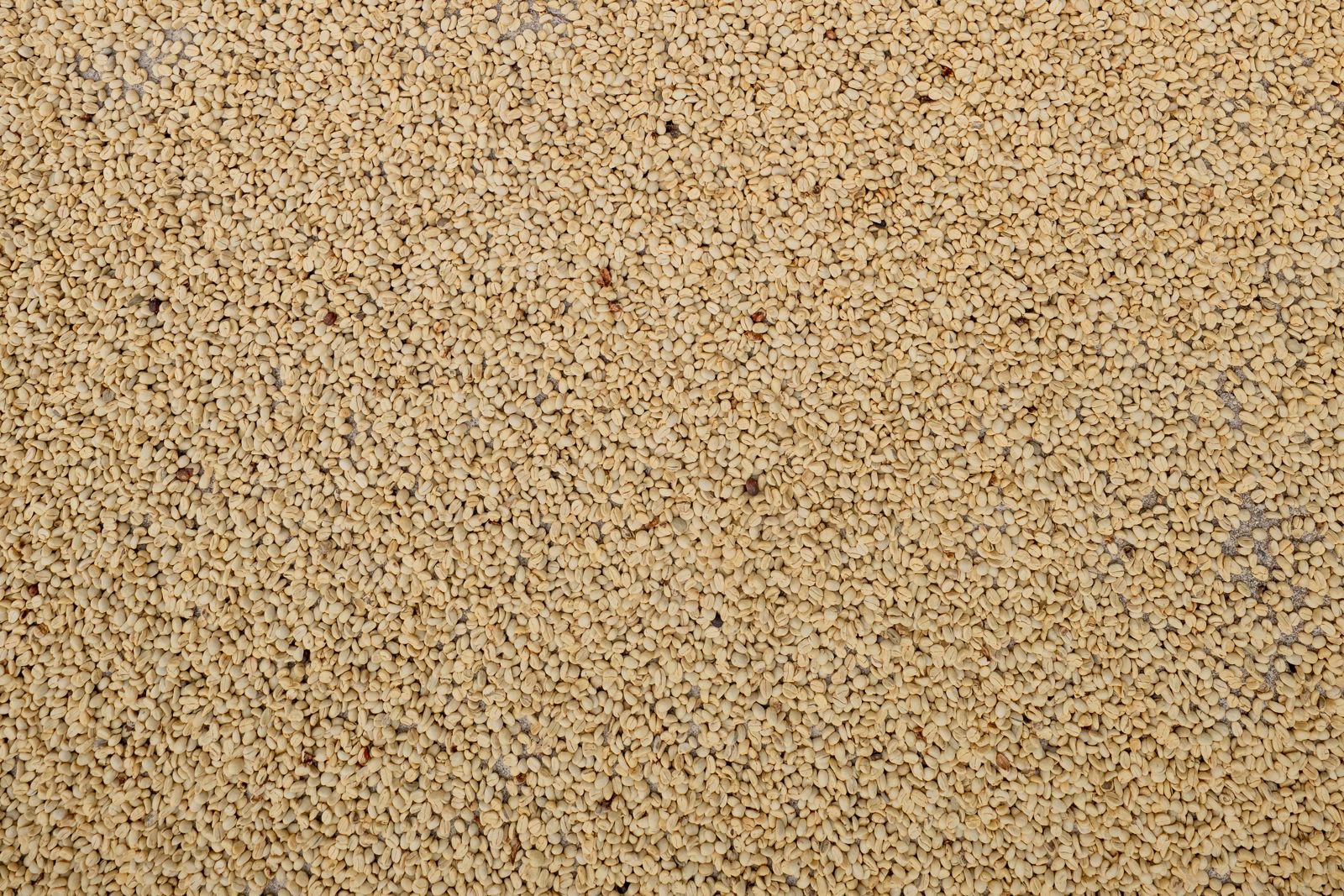
After leaving the washing station, the beans are once again carried by water to a channel where a final classification is performed. They are then moved to drying patios or mechanical dryers, known as guardiolas, until they reach the optimal moisture level.
Finally, when the coffee is completely dry, it is collected in sacks and stored in our warehouses. In addition, a sample is taken and sent to the cupping laboratory, where cup quality is verified and it is confirmed that the coffee meets the expected standards.